Everest Base Camp Helicopter Tour
Shared seatfrom $1400/person

Overview
Experience Everest Base Camp by helicopter with a scenic flight from Kathmandu to the Everest region, including a landing at Kala Patthar, weather permitting. The EBC helicopter tour offers a time-efficient way to see Mount Everest and the surrounding Himalayas without committing to a multi-day trek.
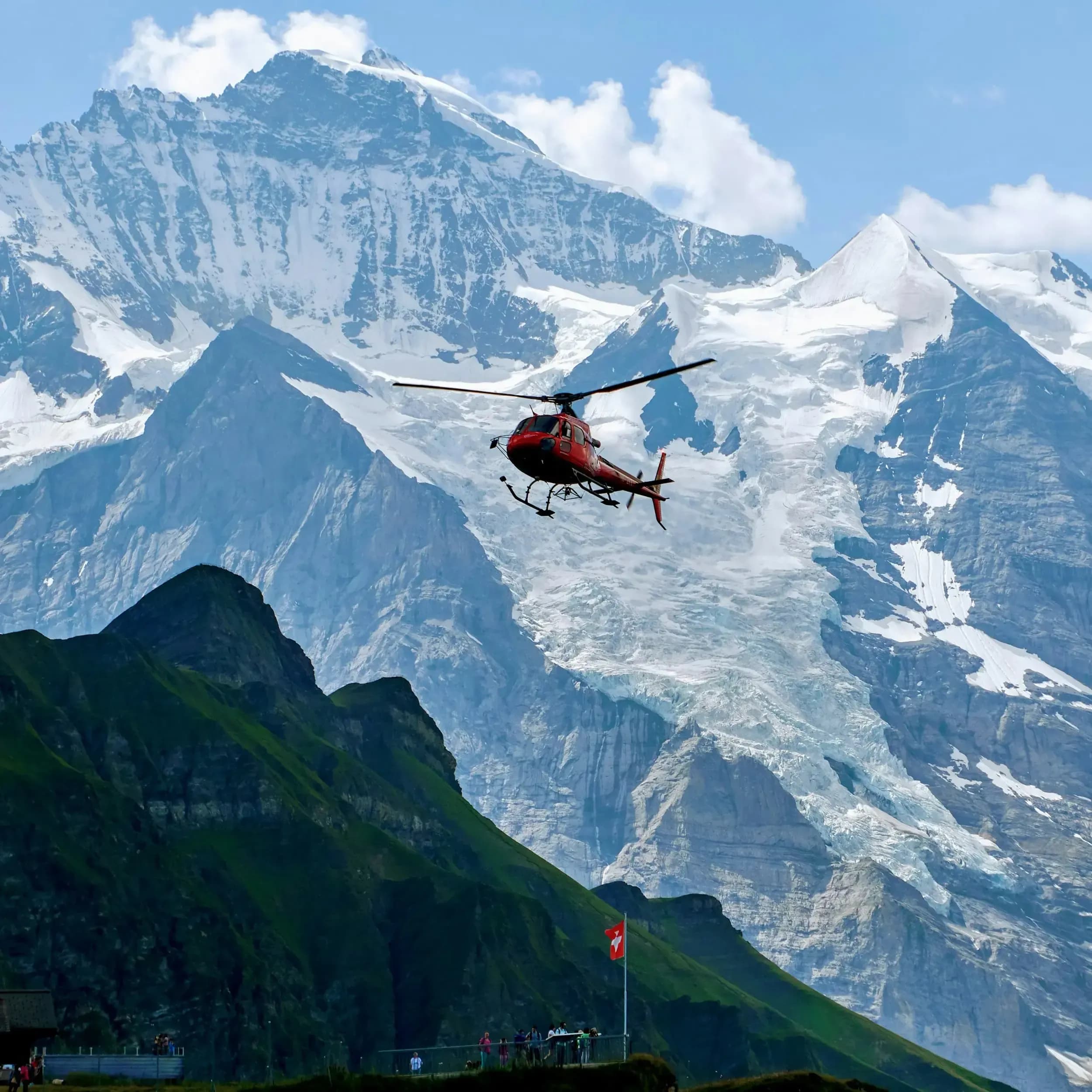
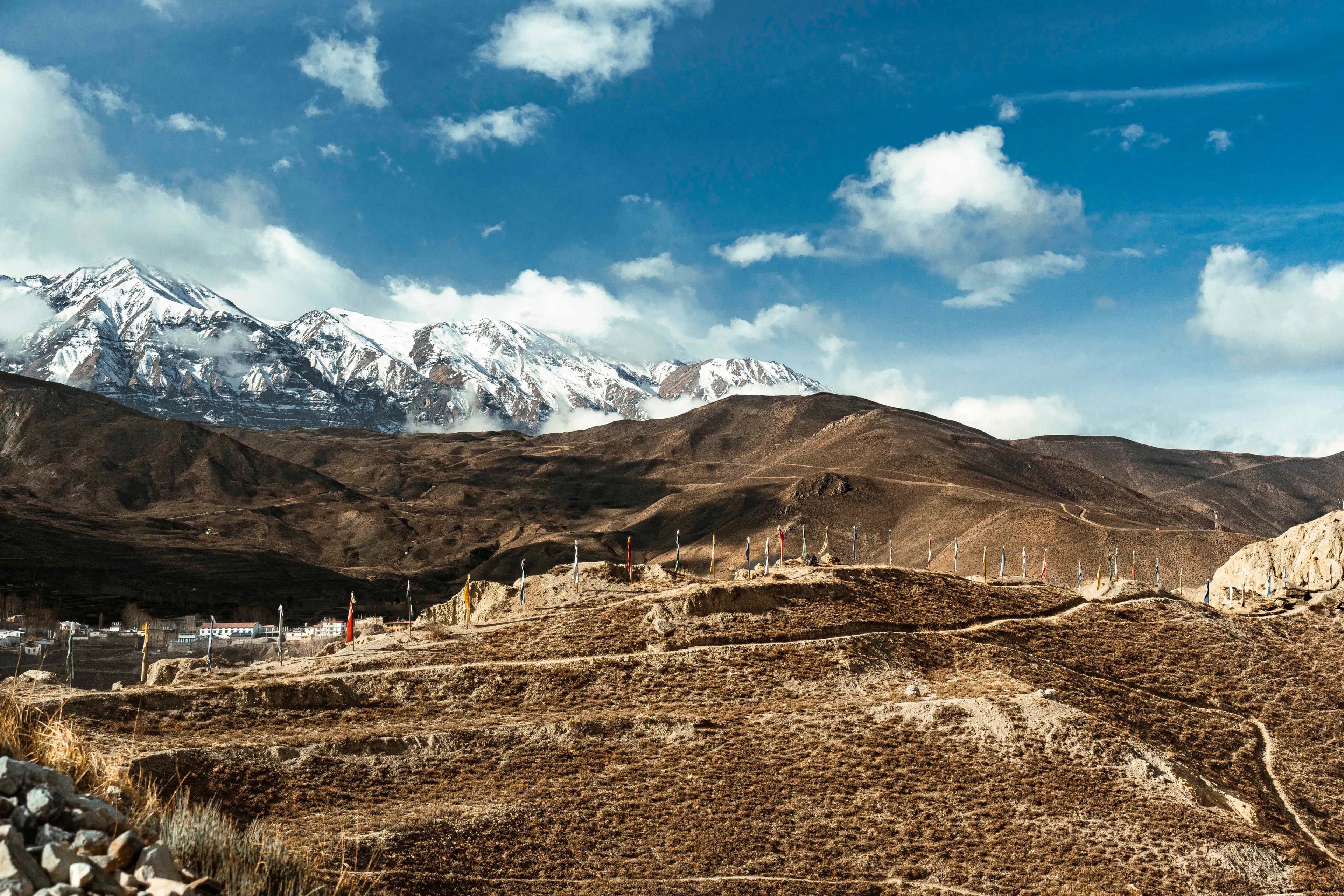
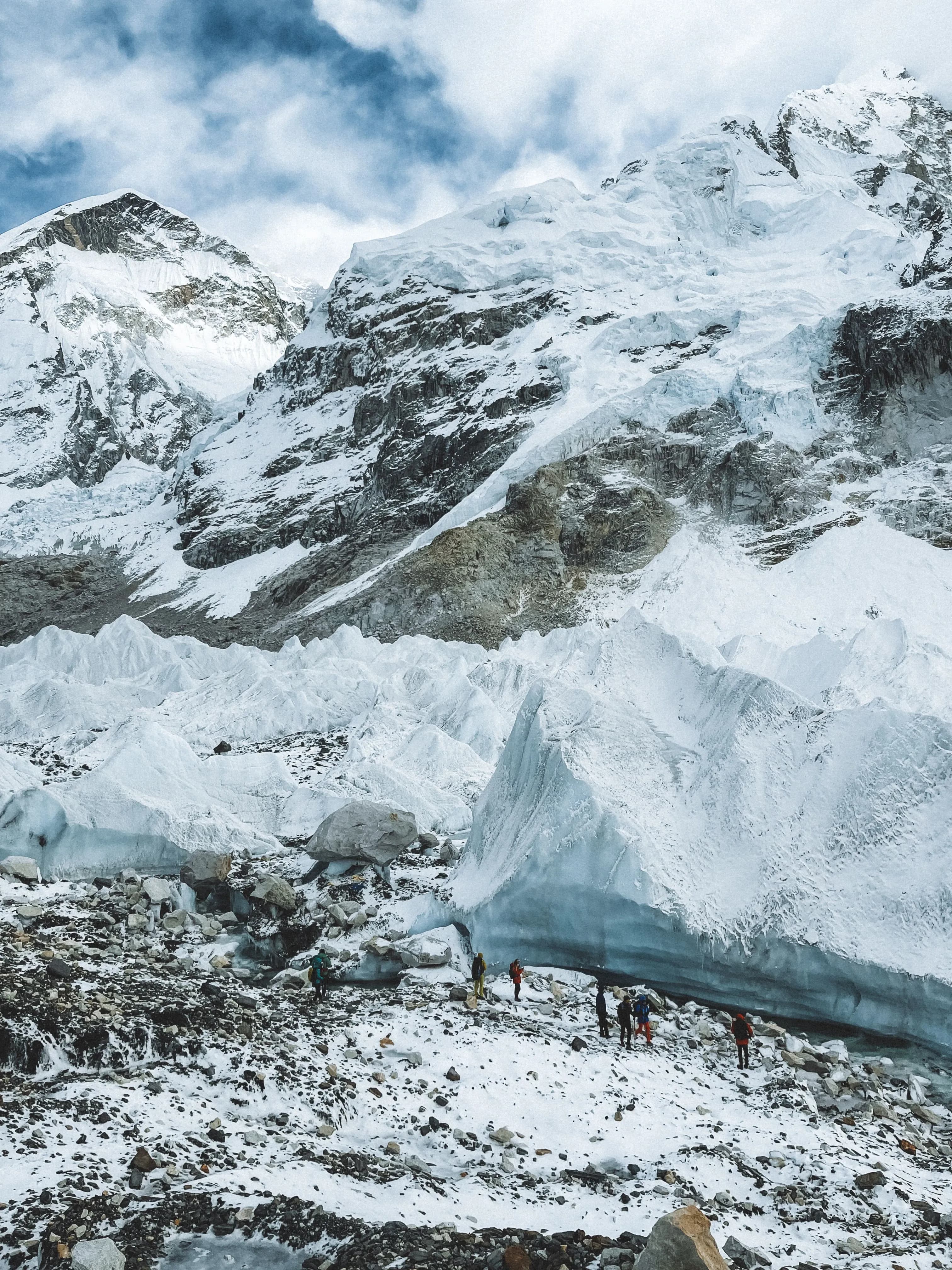
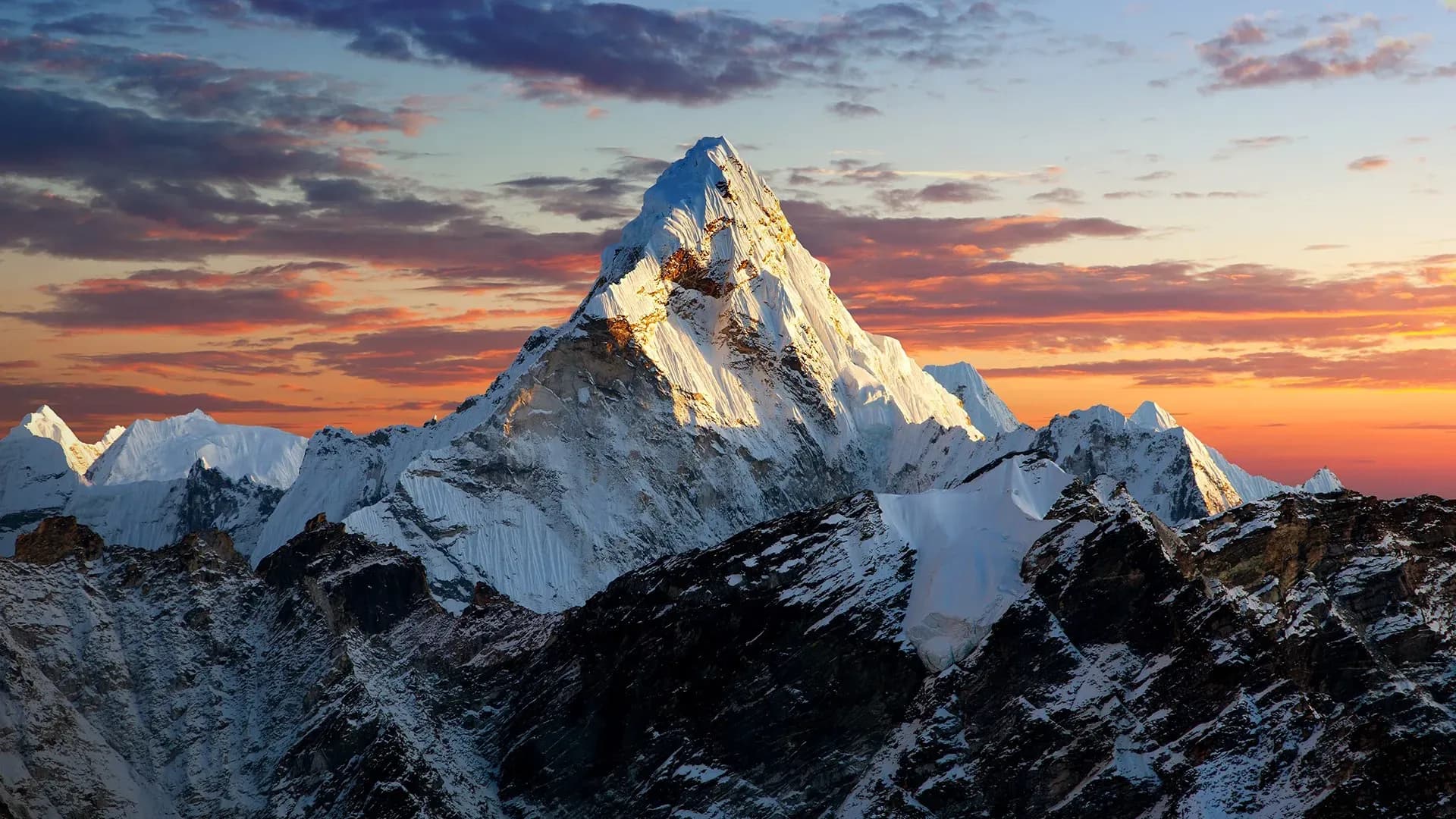
The Everest Base Camp Helicopter Tour is an easy way to see the Everest region from the air without doing the full trek to Everest Base Camp. It gives views of Mount Everest, Nuptse, Pumori, Ama Dablam, and the Khumbu Glacier, as well as the valleys and settlements around the world's highest mountain.
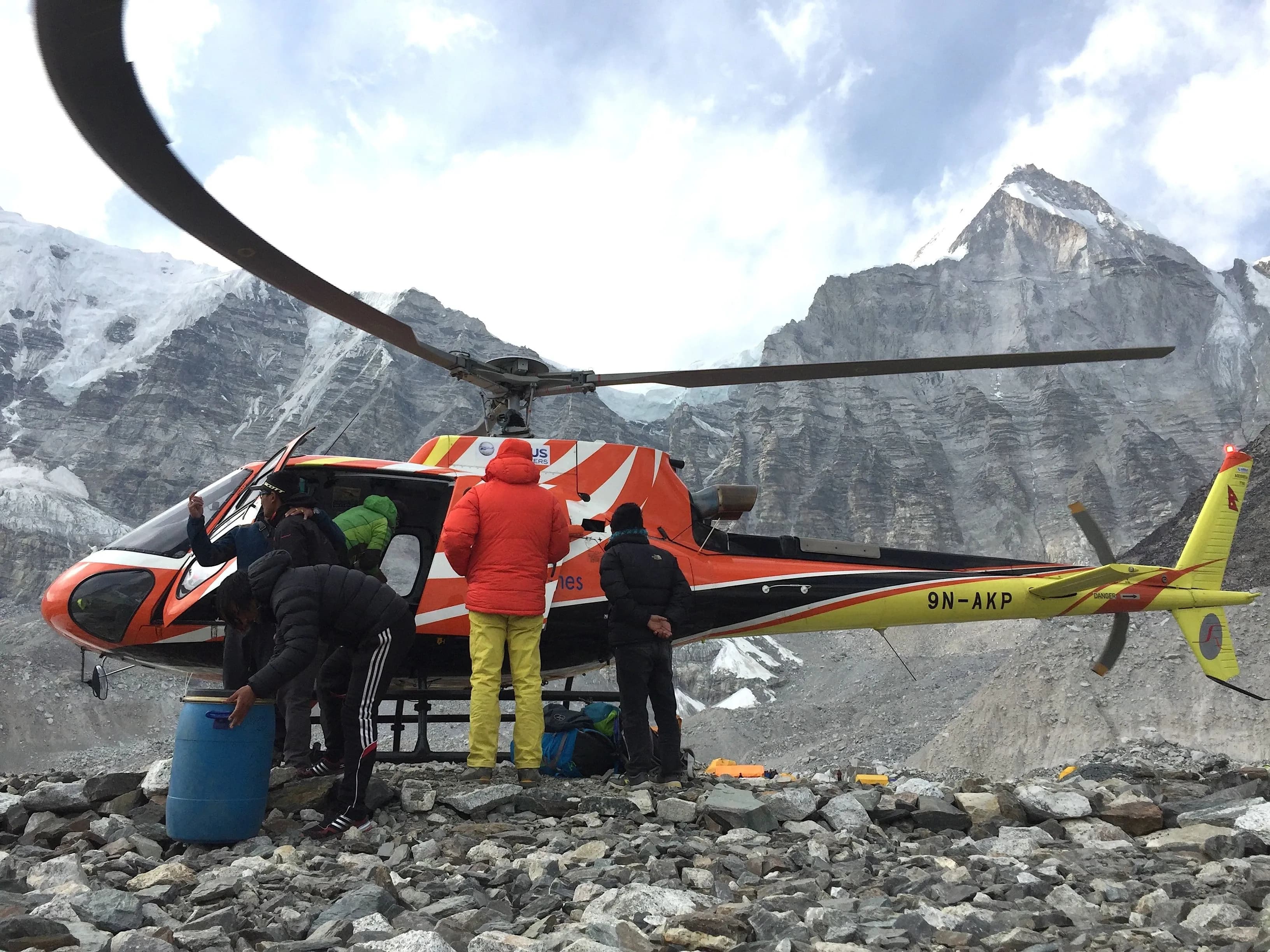
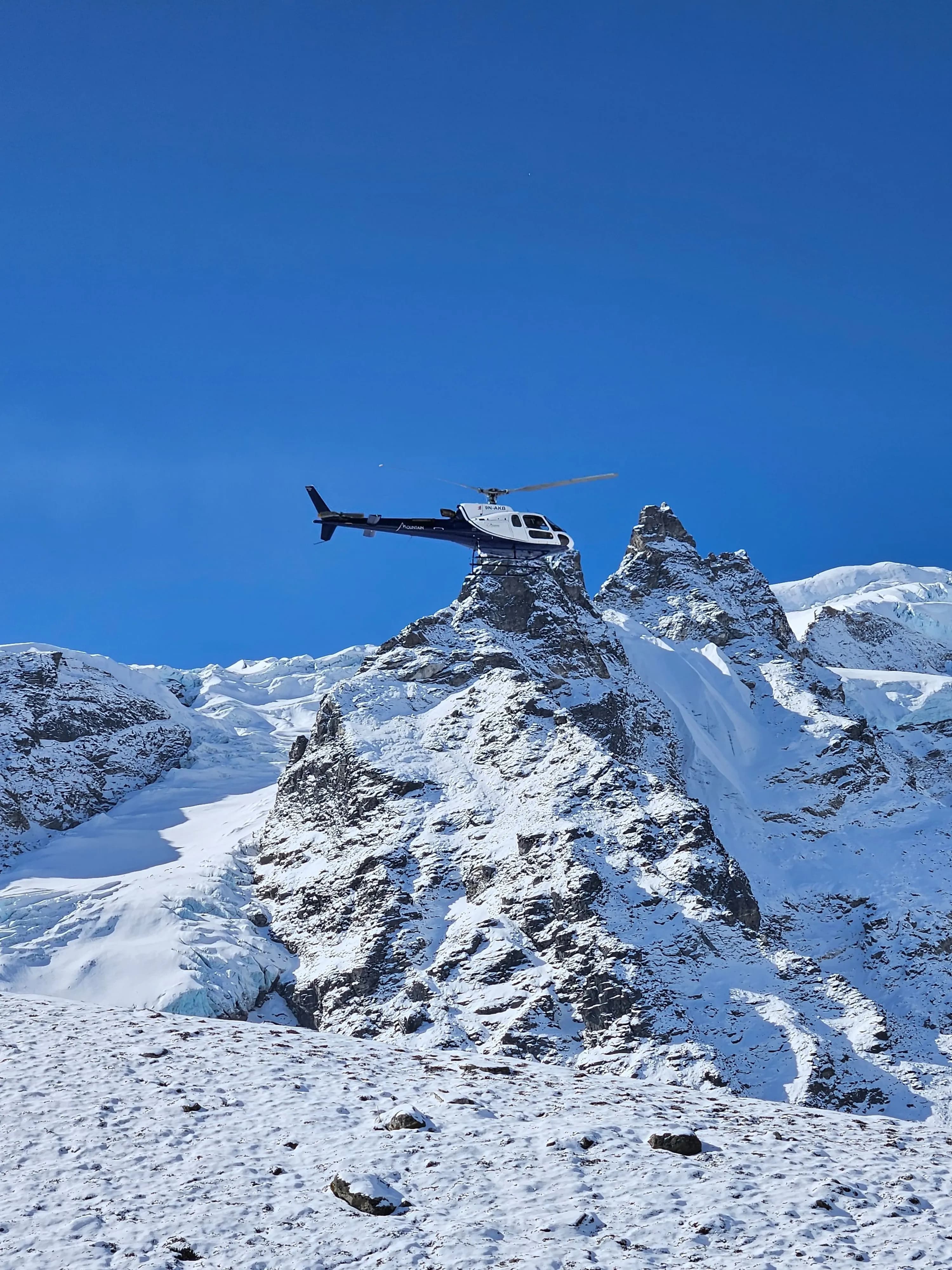
Depending on the itinerary and operating conditions, the helicopter may fly over Everest Base Camp and land at Kala Patthar or another designated location. Weather, visibility, passenger and baggage weight, aircraft performance, and landing conditions all affect high-altitude helicopter operations, so the route and landing arrangements may change on the day of the tour.
Highlights
- Experience stunning aerial views of the Himalayas while flying to Mount Everest Base Camp.
- Land at Kala Patthar (5,545 meters) for breathtaking views of Mt. Everest and nearby peaks like Lhotse and Cho Oyu.
- Explore Sagarmatha National Park and see the Khumbu Icefall from above.
- Enjoy breakfast at the Everest View Hotel, the highest hotel in the world, with stunning mountain vistas. (Optional)
- See the majestic Khumbu Icefall from the sky.
Important Note
Travelers often do not realize that even if the helicopter is the same aircraft in Kathmandu and near Kala Patthar, the air is not the same. As altitude increases, helicopter performance changes. Temperature, weight, and wind all matter. That is why high-altitude flights may require careful passenger distribution or shuttle arrangements for the final sector. This is normal in the Everest region and is part of responsible operation.
Flights follow CAAN requirements, including passenger weight checks, weight-and-balance calculations, route planning, and weather-based go/no-go decisions. These details may sound technical, but they affect the experience in practical ways: who flies in which sector, how long a landing lasts, and whether a route is safe to operate. It also explains why a page like this should be transparent. Everest helicopter tours are incredible, but they are not fantasy products. They are real mountain operations.
Read moreRead less
Trip Type
Shared and Charter
Group Size
5
Difficulty Level
Medium
Max Altitude
5,545
Best Season
March/April/May/Oct/Nov
Departure
Tribhuwan International Airport
Itinerary
Your Everest Base Camp Helicopter Tour starts early in the morning with a pickup from your hotel in Kathmandu. You will then be transferred to Tribhuvan International Airport for check-in and flight preparation. This early start helps you take advantage of the morning weather window and the clearer mountain views often available earlier in the day.
After arriving at the airport, check in and receive a safety briefing before boarding the helicopter. Once the aircraft is ready, the flight heads east from Kathmandu toward the Everest region, with views of Nepal's hills, terraced fields, villages, and mountain passes along the way.
The helicopter lands at Lukla, the main gateway to the Everest region, for a brief refueling stop before continuing toward the higher elevations of the Khumbu region.
After refueling, the helicopter continues toward the Everest region, flying over the Khumbu Valley, glaciers, Sherpa settlements, and nearby mountain ridges. As you get closer to the higher elevations, you can see major peaks such as Mount Everest, Lhotse, Nuptse, and Pumori.
The helicopter lands at Kala Patthar at about 5,450–5,545 meters, depending on the route and conditions. You will have a short time to step out, take photos, and enjoy views of Mount Everest, Pumori, Nuptse, Lhotse, and the Khumbu Glacier before the flight continues. The landing and time on the ground depend on weather, visibility, aircraft performance, and operating conditions.
From Kala Patthar, the helicopter descends to Syangboche and the Everest View Hotel. Here, you can have breakfast while enjoying views of Everest, the Khumbu Valley, and the surrounding Himalayan peaks. It is also a relaxed place to take in the mountain scenery after the high-altitude landing.
After breakfast, the helicopter flies back to Lukla for another refueling stop before the final trip to Kathmandu. On the way back, you can again see glaciers, valleys, Sherpa settlements, and mountain landscapes from above.
Once refueling and final flight preparations are complete, the helicopter flies from Lukla to Kathmandu. You will fly over the lower Khumbu region and surrounding hills before landing at Tribhuvan International Airport, where the tour ends with a transfer back to your hotel.
Practical Details
Best Season for EBC Helicopter Tour
The best seasons for an Everest Base Camp Helicopter Tour are spring and autumn. These seasons usually offer better flying conditions and clearer views of Mount Everest and the surrounding Himalayan peaks, making them popular with travelers.
Spring (March to May)
Spring is a good time for an EBC helicopter tour, especially from late March through April. The weather gets warmer, and mornings often offer clear views of Everest, Lhotse, Nuptse, Ama Dablam, and the Khumbu Glacier. May can bring more clouds and occasional pre-monsoon showers, so early morning flights are usually best.
Autumn (September to November)
Autumn is a popular season for the Everest Base Camp Helicopter Tour. After the monsoon, the skies are often clearer, giving better mountain views, although September can still bring some clouds and rain. October and November are usually the best months for stable weather and crisp Himalayan views, but every helicopter flight still depends on the weather and operating conditions on the day.